
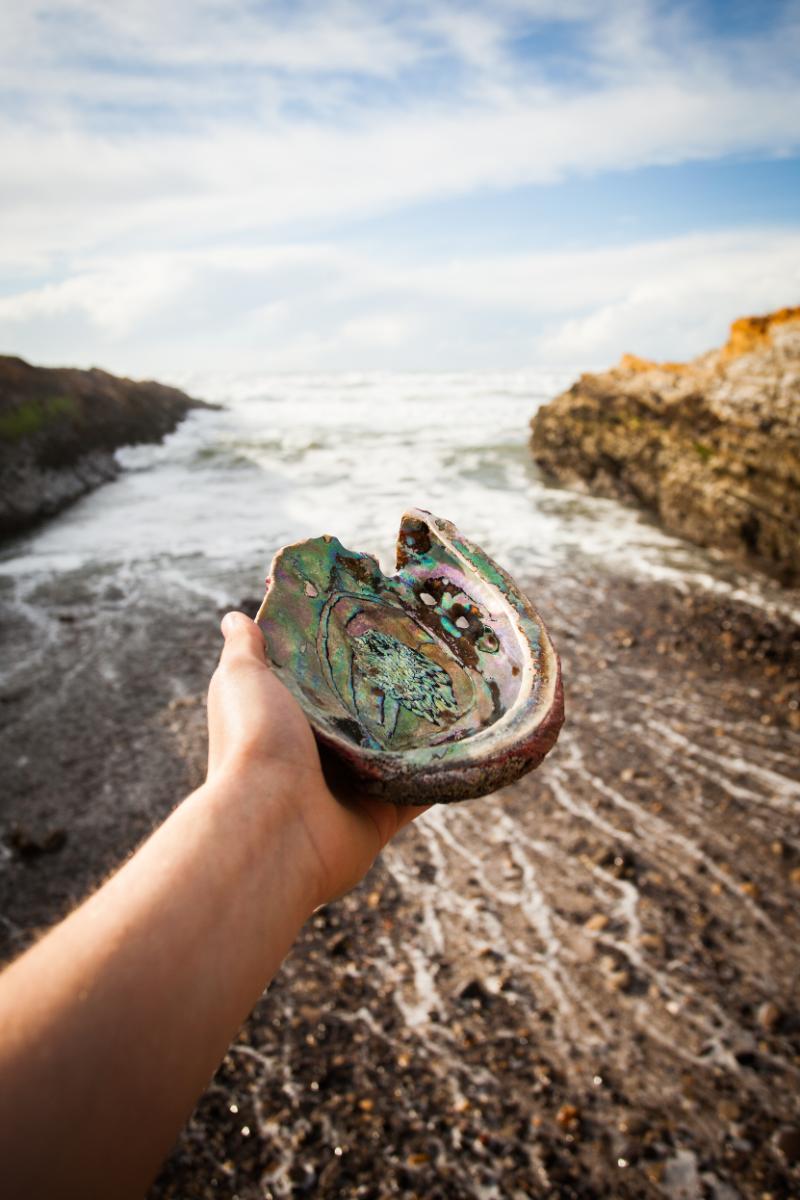
Abalone, often celebrated for its culinary appeal and beautiful iridescent shell, plays a far more critical role in ocean ecosystems than many realize. These marine mollusks are not just a delicacy; they are keystone species, vital to maintaining the health, biodiversity, and balance of coastal marine environments.
Unfortunately, overharvesting, climate change, and habitat destruction have led to a drastic decline in wild abalone populations, threatening the ecosystems they support. Understanding the ecological importance of abalone is the first step toward preserving these remarkable creatures and the ocean habitats they help sustain.
In this article, we’ll explore why abalone matters, its role in marine ecosystems, and how sustainable practices are essential for their survival.
🌿 1. The Role of Abalone in Marine Ecosystems
Abalone contribute to marine ecosystems in several essential ways, making them a keystone species—a species on which other organisms depend.
🐚 a. Grazers of Kelp Forests
- Abalone feed on kelp and algae, helping to regulate algal growth.
- This grazing behavior prevents kelp forests from being overrun by algae, ensuring healthy growth and biodiversity.
- Kelp forests provide critical habitats for fish, invertebrates, and marine mammals.
🌊 Why It Matters: Overgrowth of algae can smother kelp, leading to the collapse of entire marine ecosystems. Abalone play a natural role in maintaining this balance.
🐟 b. Supporting Biodiversity
- Healthy kelp forests, maintained by abalone grazing, support a wide variety of marine life, including:
- Rockfish and sea bass
- Sea urchins and crabs
- Sea otters and seals
- Without abalone, these species would lose essential habitat, threatening the entire food web.
🌿 Key Fact: Kelp forests are often called the “rainforests of the sea” due to their rich biodiversity. Abalone help keep these ecosystems thriving.
🌊 c. Indicators of Ecosystem Health
- Abalone populations serve as indicators of ocean health.
- Their decline signals problems such as overfishing, pollution, and climate-related stress in marine environments.
- Restoring abalone populations can lead to wider ecological recovery.
🌡 2. Threats to Abalone and Their Ecosystems
Despite their importance, abalone species worldwide are under threat. Several species, including the white abalone and black abalone, are listed as endangered in the U.S.
🚫 a. Overharvesting
- Historically, abalone was harvested unsustainably for food and shells, leading to a massive decline in wild populations.
- Illegal poaching remains a significant problem in some regions.
🌡 b. Climate Change
- Warming ocean temperatures affect kelp growth, reducing food availability for abalone.
- Ocean acidification weakens abalone shells, making them more vulnerable to predators.
🌊 c. Habitat Destruction
- Coastal development and pollution disrupt the rocky reef habitats where abalone live.
- Sedimentation from construction can smother abalone breeding grounds.
🦠 d. Disease
- Withering syndrome, a disease affecting abalone digestion, has decimated populations in some areas.
- The disease spreads more rapidly in warmer waters, linking its prevalence to climate change.
🛡 3. How Abalone Farming Supports Ecosystem Recovery
While wild populations continue to struggle, sustainable abalone farming offers hope. By reducing pressure on wild stocks and contributing to ecosystem restoration, farms play a key role in conservation.
🌿 a. Restocking Programs
- Some farms partner with marine conservation organizations to reseed abalone in the wild.
- Juvenile abalone raised in controlled environments are introduced to natural habitats to help rebuild populations.
🏝 b. Protecting Wild Populations
- Farm-raised abalone reduces demand for wild-caught abalone, allowing endangered populations to recover naturally.
- Aquaculture practices provide a sustainable supply, meeting culinary demand without harming ecosystems.
🌊 c. Habitat Preservation
- Farms that mimic natural conditions contribute to the restoration of kelp forests and rocky reefs.
- These habitats become nurseries for other marine species, boosting biodiversity.
🐠 4. The Bigger Picture: Abalone and Climate Change
Abalone’s role in maintaining kelp forests also connects them to the fight against climate change.
🌿 a. Kelp Forests as Carbon Sinks
- Kelp forests absorb carbon dioxide, helping to offset greenhouse gas emissions.
- Healthy abalone populations ensure these forests remain productive carbon sinks, supporting global climate goals.
🌊 b. Building Climate-Resilient Ecosystems
- By promoting abalone restoration, we build more resilient marine ecosystems capable of withstanding climate-related stressors.
- Diverse ecosystems recover faster from disturbances, ensuring long-term ocean health.
🌟 5. How You Can Help Protect Abalone and Their Ecosystems
The survival of abalone—and the ecosystems they support—depends on collective action. Here’s how you can contribute:
✔ Support Sustainable Seafood:
- Choose farm-raised abalone from certified sustainable sources.
- Look for certifications like the Aquaculture Stewardship Council (ASC) label.
✔ Advocate for Marine Conservation:
- Support organizations working to protect kelp forests and restore abalone populations.
- Participate in coastal cleanups to reduce pollution affecting marine life.
✔ Stay Informed and Spread Awareness:
- Educate others about the importance of abalone and sustainable seafood practices.
- Share stories of successful conservation efforts and sustainable aquaculture.
✔ Reduce Your Carbon Footprint:
- Combat ocean acidification by reducing personal carbon emissions.
- Support policies aimed at reducing greenhouse gas emissions and protecting ocean habitats.
🌊 6. Success Stories: Abalone Conservation in Action
🌿 White Abalone Recovery Efforts
- The National Oceanic and Atmospheric Administration (NOAA) has partnered with marine scientists and aquaculture facilities to breed and release white abalone into the wild.
- Early results show hopeful signs of population recovery, offering a model for future marine restoration projects.
🐚 Community-Led Conservation in California
- Local communities along the California coast have implemented strict harvesting regulations, helping wild abalone populations begin to rebound.
- Citizen science programs engage divers and volunteers in monitoring abalone populations, ensuring long-term conservation success.
🌟 Conclusion: Small Mollusk, Big Impact
Abalone may seem like just another shellfish, but they are essential engineers of marine ecosystems. Their grazing habits sustain kelp forests, their presence supports biodiversity, and their survival reflects the health of the ocean itself.
✨ By choosing sustainably sourced abalone, supporting marine conservation, and raising awareness, we can ensure that abalone continue to thrive—alongside the oceans and ecosystems that depend on them.
🌿 Stay connected with American Abalone for more stories on abalone conservation, sustainable farming practices, and how you can contribute to preserving our oceans.
