
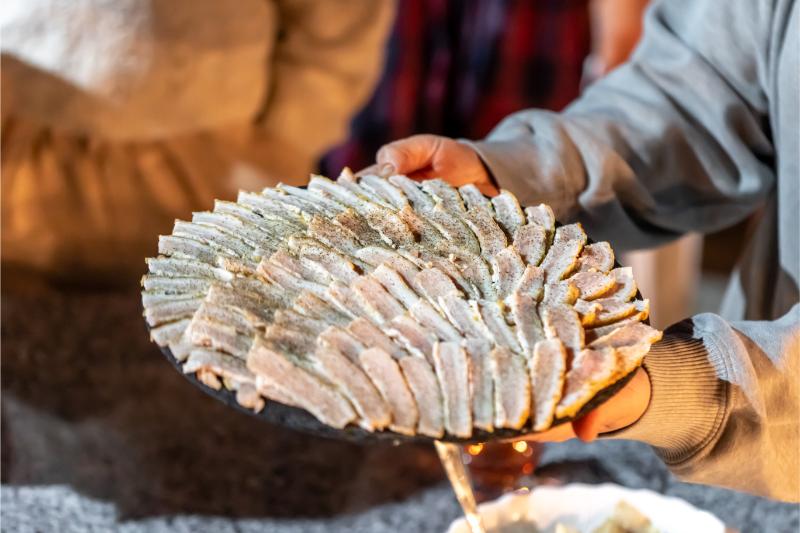
Abalone, with its delicate, buttery flavor and striking iridescent shell, has played a significant role in American history, cuisine, and culture. From the coastal diets of Indigenous peoples to its rise as a luxury item in fine dining, abalone’s story is rich with tradition, transformation, and conservation efforts.
This article explores abalone’s journey through American history—its cultural significance, culinary evolution, and the modern sustainability movement ensuring its place in future generations’ kitchens and craft traditions.
🏞 1. Abalone in Indigenous American Traditions
Long before abalone became a culinary delicacy, it held deep cultural significance for many Native American tribes, especially those along the Pacific Coast.
🌿 a. Cultural Significance
- Tribes such as the Chumash, Pomo, and Miwok used abalone shells in ceremonial jewelry, tools, and trade.
- The shells were believed to possess spiritual properties, representing peace, protection, and the flow of life.
- Abalone shell beads were commonly used as currency, playing a crucial role in inter-tribal trade networks.
🐚 b. Dietary Staple
- For coastal tribes, abalone meat was a vital source of protein.
- Traditional cooking methods included roasting over open flames, drying for storage, or boiling with seaweed and herbs.
- Sustainable harvesting practices were followed, ensuring abalone populations remained abundant for generations.
🍽 2. Abalone in Early American Cuisine
As European settlers arrived, abalone harvesting became a significant industry along the California coast in the 19th century.
⚓ a. The Gold Rush and Abalone
- During the California Gold Rush, Chinese immigrants introduced abalone as a culinary delicacy.
- Chinese laborers harvested abalone and dried it for export to China, where it was highly prized.
- Abalone soup, stir-fry, and abalone with oyster sauce became popular dishes in Chinatown communities.
🌊 b. Abalone and Japanese Influence
- By the late 1800s, Japanese divers arrived, bringing advanced diving techniques for deep-sea abalone harvesting.
- These divers helped expand the abalone industry, introducing new preparation methods such as sashimi and grilled abalone.
- The Japanese-American community played a significant role in shaping California’s seafood culture, with abalone at the center.
🦪 3. The Rise and Fall of the Abalone Industry
🌟 a. Golden Age of Abalone (Early 20th Century)
- By the early 1900s, abalone became a luxury food item, served in fine dining establishments across the U.S.
- Chefs prepared abalone in elegant dishes such as abalone steaks, abalone chowder, and breaded abalone cutlets.
- The abalone industry boomed, with California’s coastal towns thriving from abalone fisheries.
🚫 b. Overharvesting and Decline
- The demand for abalone led to overfishing, pushing several species toward endangerment.
- By the 1970s, wild abalone populations had plummeted due to unsustainable harvesting, habitat loss, and withering syndrome, a deadly disease affecting abalone.
- In response, state and federal regulations were introduced, including a complete ban on commercial abalone fishing in California by the 1990s.
🌿 4. Abalone in Modern American Cuisine
While wild abalone harvesting is heavily restricted, abalone remains a prized ingredient in modern cuisine, thanks to sustainable farming efforts.
🍽 a. Abalone as a Luxury Delicacy
- Today, abalone is synonymous with fine dining, especially in coastal California and Hawaii.
- Chefs create elevated dishes like pan-seared abalone with lemon butter, abalone carpaccio, and abalone risotto.
- Asian cuisines, particularly Japanese and Korean, continue to feature abalone in traditional recipes, including sashimi, jeonbokjuk (abalone porridge), and grilled abalone.
🌊 b. Sustainable Abalone Farming
- Sustainable aquaculture has revived abalone’s place in American cuisine without harming wild populations.
- Farms like The Cultured Abalone Farm in California use eco-friendly methods, ensuring high-quality, farm-raised abalone for chefs and home cooks.
- Farm-to-table experiences are growing in popularity, where visitors can tour abalone farms, learn about sustainable practices, and enjoy fresh abalone dishes.
🎨 5. Abalone’s Cultural Legacy: Beyond the Plate
💎 a. Abalone Shell in Art and Jewelry
- The iridescent abalone shell has inspired generations of artists, appearing in:
- Jewelry designs, including earrings, pendants, and bracelets.
- Inlay work on musical instruments, such as guitars and ukuleles.
- Decorative art pieces and home décor, valued for the shell’s natural beauty.
- Native American artisans continue to incorporate abalone shells into ceremonial regalia and cultural artifacts, honoring its ancestral significance.
🎼 b. Abalone in Music and Storytelling
- In some coastal cultures, abalone shells are used as percussion instruments, adding resonant tones to traditional music.
- Folklore and legends surrounding abalone often describe it as a symbol of protection, healing, and connection to the ocean.
🛡 6. The Future of Abalone in American Culture
The story of abalone in America is one of resilience and renewal. Conservation efforts, sustainable farming, and a renewed appreciation for cultural heritage are ensuring that abalone’s legacy endures.
🌿 a. Conservation and Education
- Marine conservation programs work tirelessly to restore wild abalone populations, protecting them from poaching, disease, and habitat destruction.
- Educational initiatives highlight abalone’s role in marine ecosystems, fostering a new generation committed to sustainable seafood practices.
🍴 b. A Culinary Renaissance
- Chefs and food enthusiasts continue to experiment with abalone, blending traditional recipes with modern culinary techniques.
- Pop-up dining events, seafood festivals, and cooking classes celebrate abalone’s unique flavor and cultural heritage, introducing it to new audiences.
🌟 Conclusion: A Story of Heritage, Flavor, and Sustainability
From the ancient traditions of Indigenous peoples to the gilded tables of fine dining, abalone’s history in American cuisine and culture is a testament to its enduring appeal. While the path has been marked by overharvesting and decline, today’s sustainable farming practices and cultural revival efforts are ensuring that abalone remains a cherished part of America’s culinary and cultural landscape.
✨ At American Abalone, we celebrate this journey—honoring the past, embracing sustainable practices, and savoring the exquisite flavors of abalone for generations to come.
